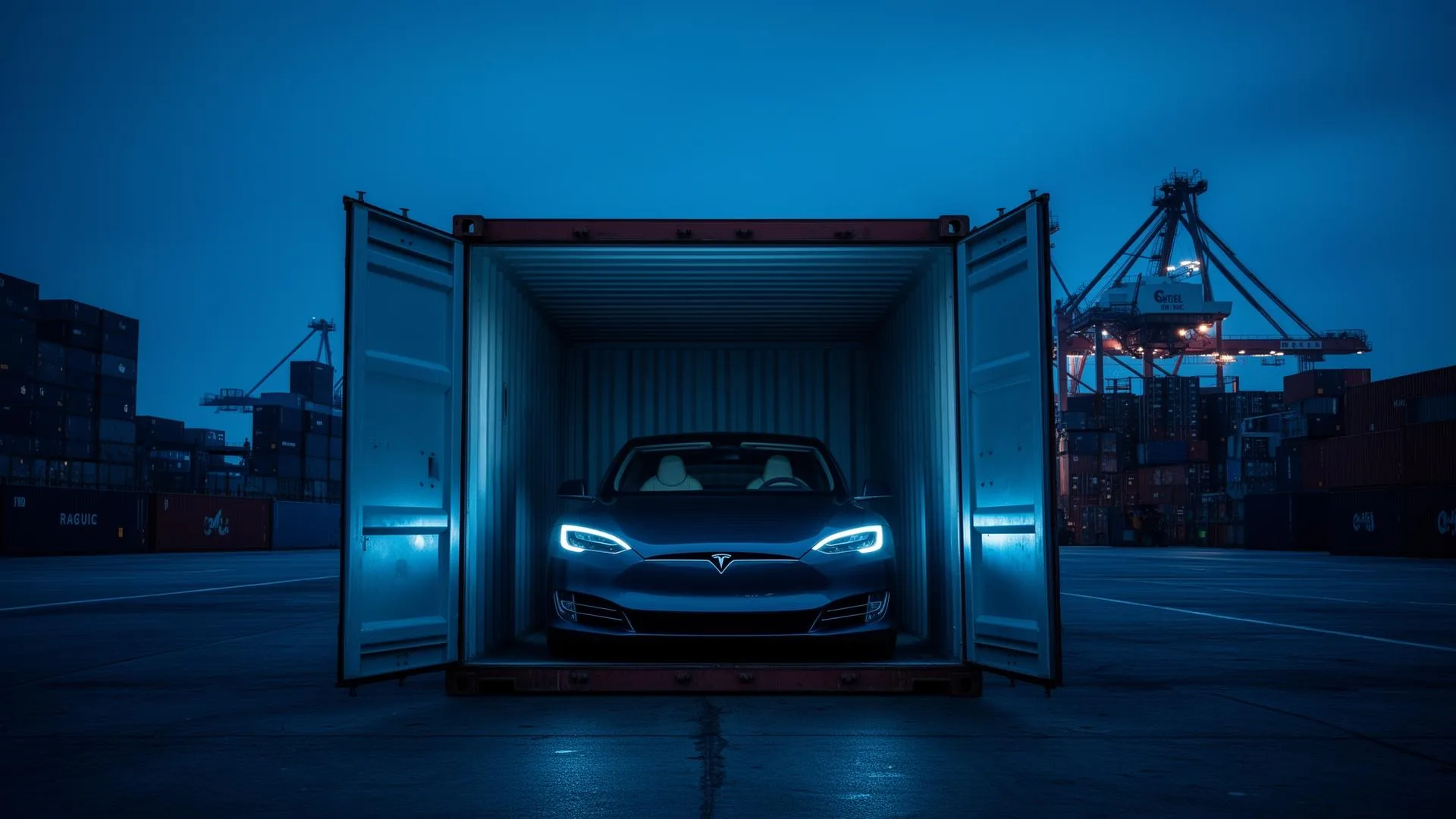
Buy & Ship Vehicles Worldwide
Your trusted B2B partner for international vehicle logistics. We help dealers purchase, ship, and deliver vehicles across continents with complete transparency and premium service.
Who Are We?
Get to know VS Brothers — the team moving vehicles across continents for dealers worldwide.
Full-Service Vehicle Logistics
From purchase to delivery — we handle every step.
Vehicle Purchase
We help dealers purchase vehicles from top US and European auctions on your behalf.
Documentation
Complete handling of all export/import documentation, titles, and compliance paperwork.
Ground Transportation
Reliable inland transport from auction to port with full tracking and insurance.
Warehousing
Secure storage facilities at key US ports with photo documentation at every stage.
Container Loading
Professional loading and securing of vehicles in containers for safe ocean transit.
Ocean Shipping
Global ocean freight to major ports in Europe, Middle East, and beyond.
Insurance
Full coverage insurance for your vehicles from purchase through delivery.
Brokering & Expedition
Customs clearance, brokerage, and final-mile delivery to your dealership door.
Vehicles Shipped
Countries Served
Years of Experience
Happy Clients
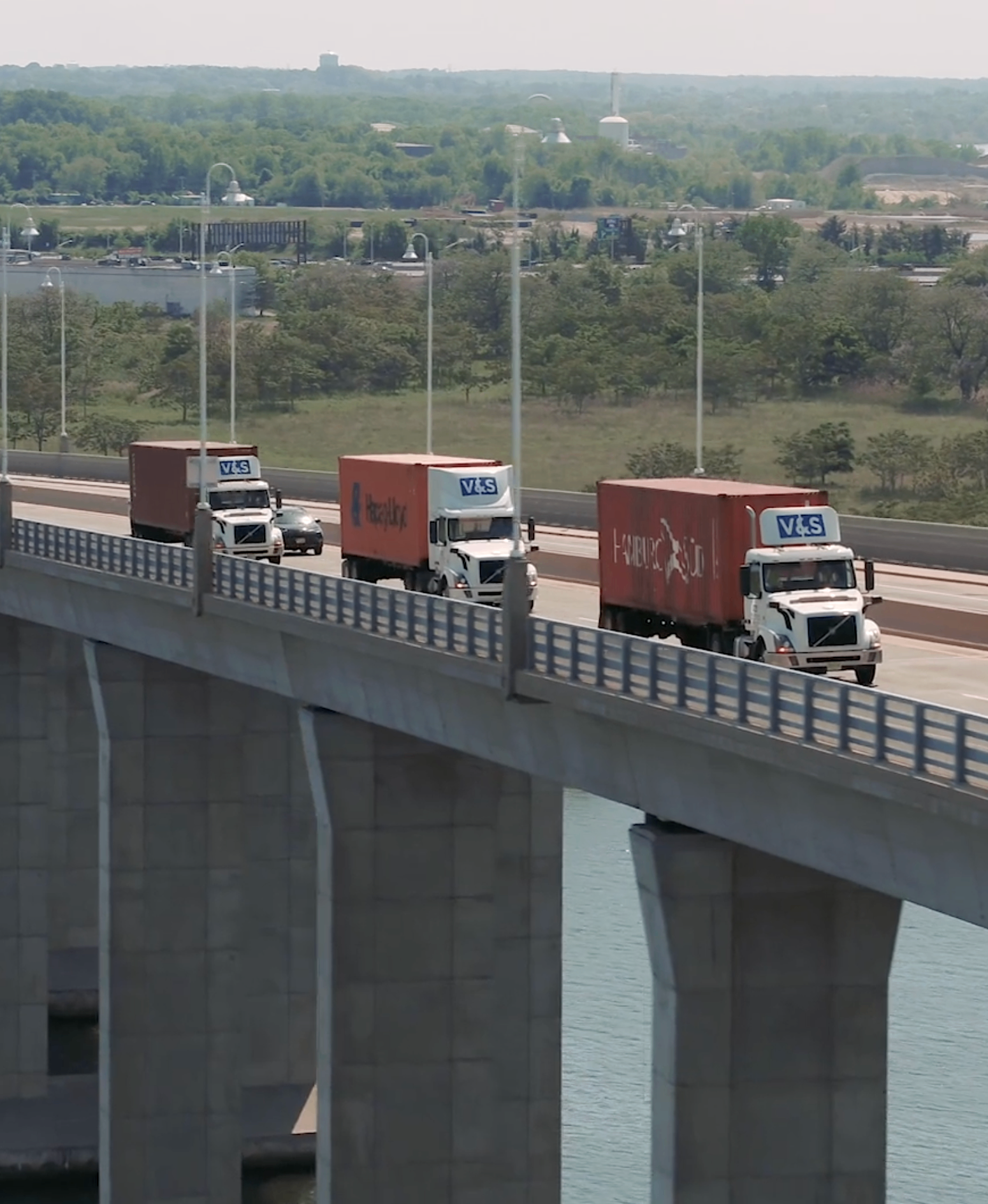
Helping Dealers Grow
We operate as a logistics partner, not a middleman.
We help dealers:
- scale procurement
- optimize delivery
- avoid logistics risks
- grow their car import business
We do not compete with partners — we support their growth.
Our Network
Strategic locations across the USA and Europe for seamless vehicle sourcing and delivery.
USA Warehousing
New Jersey
East Coast gateway — Newark port & tri-state auctions.
Georgia
Southeast hub — Savannah port & Atlanta auctions.
Texas
Central US operations — Houston & Dallas auction access.
California
Major West Coast hub — access to LA & Long Beach ports.
Receiving Ports
Klaipeda
Baltic gateway — serving Eastern European markets.
Rotterdam
Europe's largest port — primary vehicle import hub.
Poti / Batumi
Black Sea ports — access to Caucasus & Central Asia.
Jebel Ali
Middle East hub — UAE's largest port & free zone.
Our Offices In Europe
A connected network across Europe and the Caucasus.
Official Partner of Copart
Verified Access to U.S. Vehicle Auctions
Verify our official status directly on Copart

Unlimited Bidder Accounts
Scale your operations without limitations on bidder registrations.
Fast Issue Resolution
Priority support channel for quick problem-solving.
Streamlined Transactions
Simplified financial processes for faster deal closings.
Auction Partners
Access the largest vehicle auction networks in North America through our established partnerships.
The world's largest online vehicle auction marketplace with over 200,000 vehicles daily.

Insurance Auto Auctions offering salvage and clean-title vehicles across North America.

Premier wholesale vehicle marketplace connecting dealers with quality inventory worldwide.

Full-service vehicle remarketing platform providing end-to-end auction solutions.
Digital wholesale marketplace for franchise and independent dealers to trade vehicles.

Digital wholesale auto auction marketplace with real-time bidding.
The world's largest online vehicle auction marketplace with over 200,000 vehicles daily.
Insurance Auto Auctions offering salvage and clean-title vehicles across North America.
Premier wholesale vehicle marketplace connecting dealers with quality inventory worldwide.
Full-service vehicle remarketing platform providing end-to-end auction solutions.
Digital wholesale marketplace for franchise and independent dealers to trade vehicles.
Digital wholesale auto auction marketplace with real-time bidding.
Operating reliably even in crisis conditions
After the start of the full-scale war, we relocated logistics centers to the EU and Western Ukraine, maintaining stable supply chains and delivery timelines.
Dealer Platform
Take Full Control of Your Vehicles
Our digital platform gives dealers complete control — from pricing to delivery — in one sleek, easy-to-use dashboard.
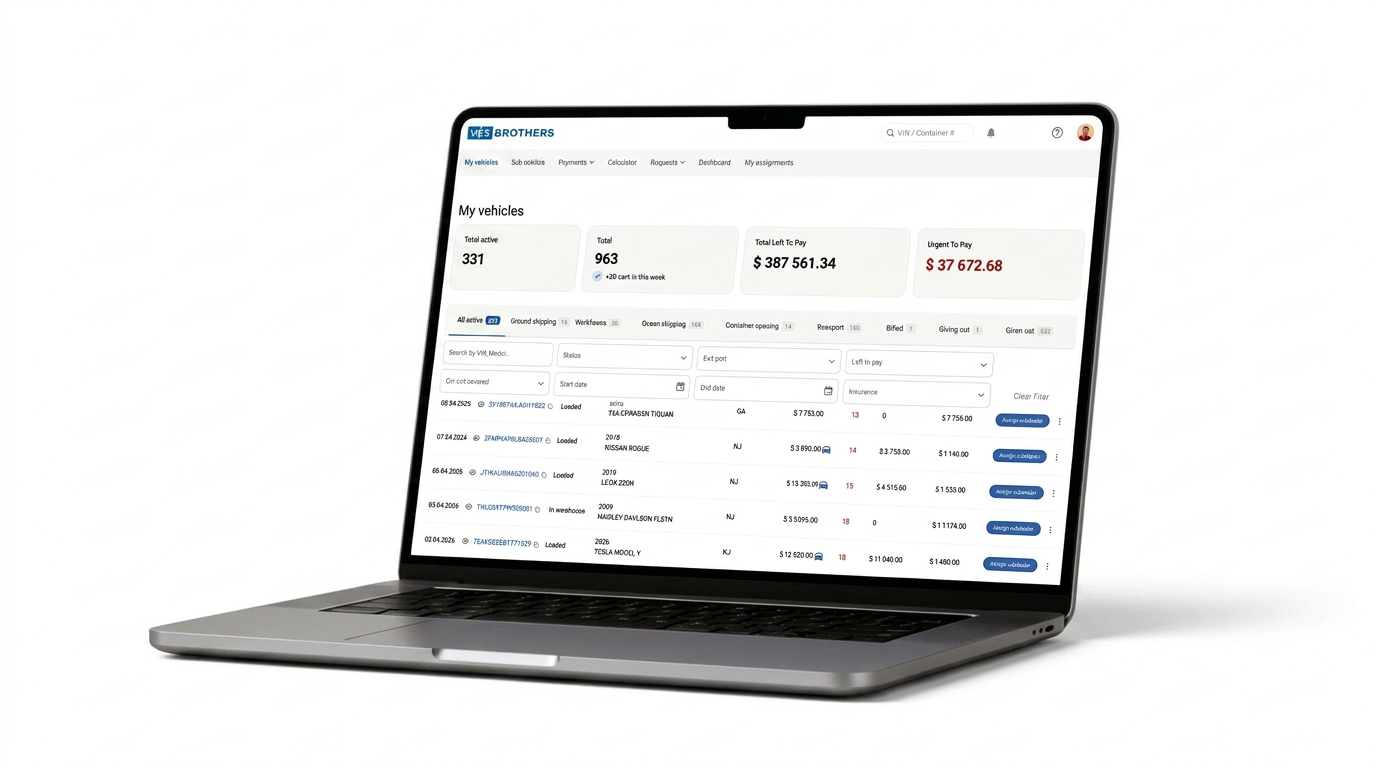
Instant Pricing
Calculate costs in seconds with our smart pricing engine.
Financial Control
Manage payments, invoices, and budgets in one place.
Step-by-Step Photos
Track your cars at every stage: Pickup → Warehouse → Container → Delivery.
Real-Time Tracking
Follow containers and shipments live on an interactive map.
Insurance & Claims
Request coverage and claim refunds seamlessly.
Free Carfax Reports
Verify vehicle history instantly before purchase.
Financial Support for Dealers
Flexible solutions to help dealers grow, manage cash flow, and pay for services on their own schedule.
Financing of Your Business Development
Grow your operations with accessible funding tailored for automotive dealers.
Purchase Payment Before Receiving Money
Pay for vehicles upfront without cash flow strain — we cover the gap.
Progress Payment for Company Services
Flexible installment options for logistics and brokerage services.
Deferment Before Receiving at Port
Secure your shipments before paying — defer until arrival at port.
Deferment for Cargo Shipping
Smooth cash flow while your vehicles are in transit across oceans.
Monthly Payment for Brokerage
Pay brokerage & forwarding on a convenient monthly schedule.
20+ Years
of Excellence
About VS Brothers
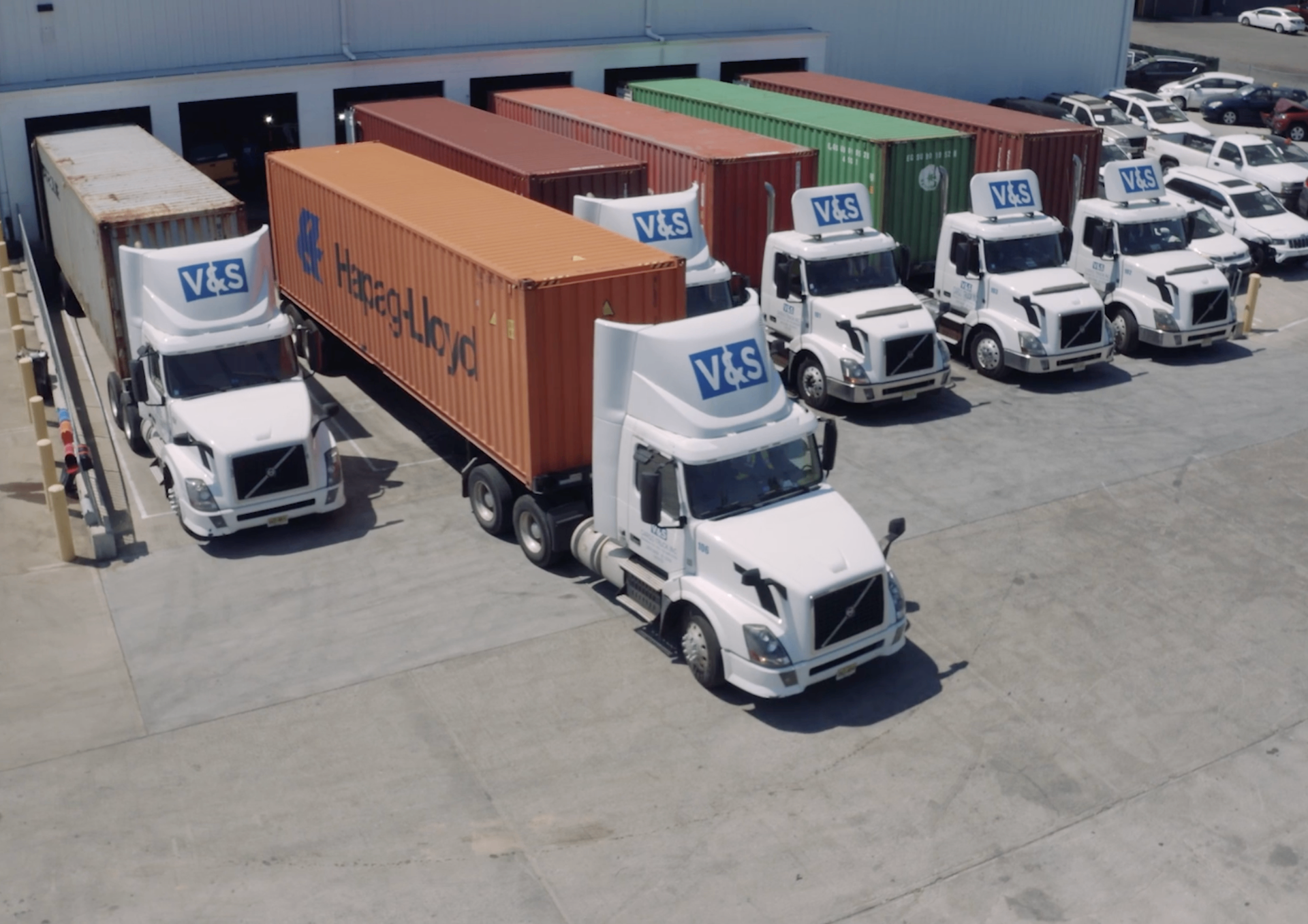
VS Brothers is a premier B2B vehicle logistics company specializing in international vehicle shipping. We connect vehicle dealers worldwide with the best inventory from US auctions and provide seamless delivery.
With over 20+ years of experience, we have shipped 1,000,000+ vehicles to 15+ countries. Our digital platform gives dealers complete control over every step of the process.
Source Vehicles for Your Dealership Today
Unlock access to top U.S. auto auctions through VS Brothers and simplify vehicle transportation with a logistics partner you can trust.
Frequently Asked Questions
Everything a dealer or importer should know about buying, transporting and wholesale importing cars from the USA.
Customs, tax, auction and export rules can change. Before purchasing a specific vehicle, always confirm the current requirements for its country of origin, the type of title, the place of clearance and the destination country.
B2B cooperation and the profitability of wholesale import
Wholesale import of cars from the USA means regularly purchasing several or more vehicles from American auctions and organizing the entire supply chain to Europe. In a B2B model, what matters most isn't a single transaction but a repeatable process: sourcing, verification, bidding, payment, pickup from the yard, storage, loading, ocean freight, customs clearance and delivery to the dealer.
For a car trading company, predictable costs and lead times are essential. That's why professional wholesale handling should allow control over multiple vehicles at once, access to documents, shipment tracking and fast problem-solving at every stage.
It's most often used by used-car dealers, resellers, importers, companies selling premium cars, SUVs, pickups, electric vehicles, salvage/damaged vehicles, and entrepreneurs building their own stock. The wholesale model is especially advantageous when a company buys regularly and can efficiently assess the potential margin after accounting for all costs.
B2B import shouldn't rely solely on the assumption that a car is cheaper in the USA. What counts is the final cost of getting the vehicle to the point of sale, the expected repair cost, how quickly the stock turns over, and the price the end customer will actually accept.
It can be, but profitability depends on the specific model, trim, purchase location, vehicle condition, auction fees, transport, documentation, taxes, repair costs and the selling price in Europe. In wholesale, an edge is built mainly through good sourcing, disciplined bid limits and optimized logistics.
A dealer should analyze margin at the level of a single VIN, not an entire car category. Two seemingly similar vehicles can have completely different profitability due to differences in title, yard location, damage, equipment or transport costs.
The safest approach is to calculate the so-called landed cost — the full cost of the vehicle once delivered to a given point. It should include at least the purchase price, auction house fees, inland transport in the USA, any storage, loading, ocean freight, insurance, customs clearance, taxes and local fees, plus final-mile transport.
On top of that, the dealer should add the expected cost of repairs, parts, sale preparation, stock financing and the time capital is tied up. Only comparing this total figure with a realistic selling price allows for an accurate margin assessment.
In many cases, faster turnover matters more than the lowest possible hammer price. A car bought very cheaply but difficult to repair or sell can tie up capital for months and reduce the profitability of the entire stock.
Professional dealers usually look at return on capital over time. Sometimes it's better to buy a vehicle at a higher price but with a predictable repair scope, a good history and strong demand in the target market.
There is no single minimum number. A wholesale cooperation model can start with just a few cars a month, provided purchases are regular and the company wants to build a repeatable process. As scale grows, consolidating transport, managing documents, automation and controlling cash flows all become more important.
In practice, the frequency of purchases and the ability to plan future shipments matter more than a one-off number of cars.
Yes. For many dealers, the first import is a test of the whole process: quality of communication, speed of vehicle pickup, document control, transport and customs clearance. If the process runs smoothly, you can gradually increase the number of cars purchased.
A good B2B solution should scale without requiring a complete overhaul of procedures when moving from one car to several or a dozen vehicles a month.
There's no single universal list. A dealer should analyze demand in their region, parts availability, repair cost, average time to sell, and the price gap between the USA and the European market.
SUVs, pickups, premium cars, electric vehicles and well-equipped versions of models also popular in Europe are often sought after. In wholesale, though, it's worth avoiding buying an entire batch just because one unit looked attractively priced.
Car auctions and dealer access
The most commonly used platforms are large ones such as Copart, IAA and dealer-only auctions, including Manheim. Individual platforms differ in the type of stock available, license requirements, how vehicle condition is presented and their fee structures.
For a dealer, it's important to have access not only to damaged vehicles but also to clean-title cars, off-lease and fleet vehicles, trade-ins, and cars available only through the wholesale channel.
Both platforms are major sources of used and damaged vehicles, but specific listings, auction rules, fees and requirements can differ. Both offer vehicles with insurance losses, various title types and cars sold by different categories of sellers.
For an importer, what matters more than the platform's name is the analysis of the specific lot: the VIN, the title, the seller, the photos, the damage description, the location and the cost of delivery to the port.
Manheim is primarily a wholesale marketplace intended for professional participants in the automotive industry. A large share of sales are dealer-to-dealer, and access is more restricted than the publicly available portion of listings on other platforms.
For a European dealer, access to dealer-only auctions can mean the ability to buy cars in a different profile than typical salvage stock: off-lease vehicles, fleet cars, trade-ins, or vehicles ready for resale after light preparation.
In some cases yes, but the scope of access depends on the platform, the type of account, the company's documentation and the regulations of the specific US state. Some vehicles may require a particular license or purchase through an authorized broker.
That's why a company should check the requirements for a specific lot before bidding. Simply having a European registered business doesn't always grant automatic access to the entire inventory.
A broker can enable the purchase of vehicles that require licenses a foreign dealer doesn't hold, and can also coordinate payment, documentation, pickup and export. This is especially important for regular purchases across multiple states and platforms.
In a wholesale model, a broker should be evaluated not just on commission but above all on the scope of access, the speed of document handling and the ability to resolve issues after winning an auction.
Yes, professional B2B service should allow running multiple bids and managing separate limits for each vehicle. A dealer should set a maximum purchase price for each VIN in advance, so as not to exceed the planned landed cost.
When running multiple bids, it's also worth setting a maximum total daily or weekly budget, so that several simultaneous wins don't create an unplanned strain on liquidity.
Yes. A maximum limit is one of the most important tools for margin control. It should be based on the calculation of the final cost, not on emotions during the auction.
If the price exceeds the set level, a professional buying process should call for walking away and looking for the next unit.
"Buy It Now" means the option to purchase a vehicle at a preset price without waiting for a traditional auction to end. This can be useful when the price fits the planned budget and the dealer wants to secure a specific unit quickly.
However, it isn't automatically a bargain. The "Buy It Now" price still needs to be compared against the full import cost and the potential selling price.
Yes, but the source of the vehicle must be credible and the documentation verifiable. The wholesale market also includes dealers, fleets, remarketing channels, trade-ins and smaller B2B platforms.
The less standard the purchase source, the more important it becomes to verify ownership of the vehicle, payment terms, export eligibility and pickup procedures.
Deadlines depend on the platform and the terms of the specific sale, but on large auctions the payment window is usually short. Delay can trigger penalties, storage fees or other additional charges.
A wholesale dealer should have a payment process ready in advance, especially if several cars can be won on the same day.
Verifying a car before purchase
At a minimum: the VIN, the vehicle history, the type of title, the type of damage, photos, the condition of key components, the run status, the vehicle's location, and export eligibility. It's also worth checking equipment level, previous auction listings, any earlier photos and the estimated repair cost.
It's also important for a dealer to compare the car with actual selling prices in the target market. An attractive auction price alone doesn't make a good deal.
No. CARFAX or a similar report is an important source of history information, but it doesn't replace an analysis of the vehicle's current condition. The report can show past incidents, service records, ownership changes and mileage, but it doesn't always describe the full extent of current damage.
It's best to combine VIN history with photo documentation, the auction description and an assessment of repair cost-effectiveness.
Clean Title generally means the ownership document has no salvage designation resulting from an event recognized as such by the given state. However, it's not a guarantee that the car was never damaged.
Before buying, you still need to check the VIN history, photos and prior records. The words "clean title" alone shouldn't replace vehicle verification.
Salvage Title is a document associated with a vehicle that, in the given state, was classified as severely damaged or declared a total loss under the applicable rules. Such cars are often bought by importers because, once properly repaired, they can offer an attractive entry cost.
Before buying, you need to check whether this specific type of title allows for export, subsequent paperwork, and use in the destination country.
This should never be assumed. Export eligibility depends on the specific type of title and the regulations covering that particular vehicle. Some titles or statuses can create serious restrictions or completely change the profitability of the deal.
In wholesale, export eligibility should be verified before bidding, not only after the car has already been purchased.
Such designations can indicate that a vehicle isn't meant to return to the road under normal conditions and may be treated purely as a parts source, or be subject to other restrictions. The names and legal effects of these documents differ from state to state.
A dealer planning to sell a car as a roadworthy vehicle should avoid buying a title whose legal and export consequences they don't fully understand.
No. This auction designation regarding a vehicle starting or moving describes the condition observed at a specific moment under the given platform's rules. It's not a guarantee of full mechanical soundness, nor that the car will drive normally after purchase.
When calculating transport and repair costs, you should still assume that additional faults may appear.
Photos allow you to preliminarily identify visible damage, but they don't show the full picture. For impact damage, it's worth considering structural components, cooling systems, suspension, airbags, seatbelts, electronics, sensors and potential hidden damage.
In wholesale, it's wise to build a safety margin into the repair estimate. A margin calculated purely from a visible dented bumper and a broken headlight can quickly disappear once the repair actually begins.
For more expensive cars, unusual damage or high risk, an additional inspection can be justified. The cost of verification is small compared to the potential loss on a poorly assessed vehicle.
Dealers should set their own criteria: at what vehicle value and what type of damage an inspection becomes mandatory.
Costs, payments and budget control
Beyond the hammer price, you need to account for auction fees, any broker fees, transport from the yard to a warehouse or port, storage, loading, ocean freight, insurance, export documentation, customs clearance, taxes, port fees, and transport within Europe.
Depending on the vehicle, additional costs may include inspections, extra securing, transloading, container demurrage, or handling an unusual type of title.
Auction houses charge fees according to their own tables, which can depend on the purchase price, the type of bidding, the payment method, the account type or additional services. That's why the hammer price is not the final purchase price.
A professional calculation should factor in the fee schedule before the bid limit is even set.
The best approach is to break costs down by stage and identify which items are fixed and which depend on location, exchange rates, vehicle size, port or dwell time. It's also worth establishing rules for approving any additional costs.
In a B2B model, documentation is critical: invoices, payment confirmations, vehicle status and visibility into exactly which stage each car has reached.
Often yes, especially when vehicles can be effectively consolidated, loadings planned on a regular basis, and empty runs minimized. This doesn't mean, however, that every additional car will automatically be cheaper.
Cost is affected by the yard location, port of departure, vehicle dimensions, whether the vehicle can be driven, the type of loading and current freight rates.
The biggest challenge is the time gap between paying for a car and selling it in Europe. A dealer should plan funds separately for purchasing, logistics, taxes, repairs and a buffer for unforeseen costs.
At larger scale, it's worth tracking the capital tied up at each stage: cars purchased, awaiting pickup, in storage, at sea, cleared through customs, and being prepared for sale.
Inland transport in the USA and storage
After purchase, pickup from the auction yard is arranged and the vehicle is transported to a warehouse or directly to the port. The type of transport depends on the vehicle's condition, its location, distance and loading capability.
For damaged vehicles, you need to account for the possible use of specialized equipment, especially when the car doesn't run, has locked wheels, or is missing parts needed for standard loading.
The time depends on location, carrier availability, release timing and documentation. In major transport hubs, pickup can be quick, but for remote yards or periods of high demand, longer lead times should be expected.
The most important thing is to arrange transport quickly after purchase, since delays can generate storage fees at the auction yard.
Storage is a fee charged for keeping a vehicle after the free pickup period has expired. The amount and the rules for charging it depend on the auction and the location.
In wholesale purchases, several delayed pickups can significantly increase the cost of an entire batch, which is why monitoring release and pickup deadlines is one of the more important operational tasks.
A warehouse can be used to receive the vehicle, take photos, carry out a basic condition check, wait for documents, and consolidate several cars into a single shipment. It also allows better planning of container shipments.
For a dealer, photo documentation from the warehouse serves as an additional checkpoint between the auction and ocean transport.
The scope of the check depends on the service and the specific warehouse. A standard practice can be photo documentation upon receipt, which allows comparison of the vehicle's condition against the auction material.
If a dealer needs an additional inspection, it should be arranged before shipping, since access to the car is limited once the container has been loaded.
Ocean freight, containers and delivery to Europe
There's no single guaranteed timeframe. You need to factor in pickup from the auction, arrival at the warehouse, waiting for documents, consolidation, booking, loading, the voyage, port operations and customs clearance.
The ocean transit itself is only part of the whole process. For a dealer, a forecast for the timeline "from auction to release in Europe" is far more useful than the length of the voyage alone.
Containers are often chosen for damaged vehicles, for several vehicles within one batch, or whenever protection and consolidation matter. Ro-Ro can be convenient for vehicles that meet the operator's requirements and are suitable for standard driving on and off the vessel.
The choice should depend on the vehicle's condition, the port, price, timelines and the rules of the specific carrier.
The number depends on the container type, the vehicles' dimensions, the loading method and safety constraints. You shouldn't assume one fixed number for every set of cars.
When planning wholesale shipments, it's best to select vehicles and schedule loadings so as to maximize space usage without compromising loading safety.
Vehicles must be properly positioned and secured according to the loading procedure. It's important to limit the vehicle's ability to shift during transport and to protect components that are vulnerable to damage.
Professional loading should be documented, especially for valuable vehicles and larger numbers of cars within a single shipment.
Yes, cargo insurance is one way to limit risk during transport. The policy's coverage, deductible, exclusions and claims procedure should all be checked before shipping.
A dealer should know what value has been declared for insurance purposes and what documentation will be needed in the event of a claim.
Depending on the operator and the logistics system, it's often possible to track shipment status, container number, vessel and subsequent stages of transport. For a B2B customer, what matters isn't just the vessel's position but also information on documents, customs clearance and readiness for pickup.
With a larger fleet, a central status dashboard makes it much easier to manage stock that's in transit.
The most common sources of delay are late pickup from the auction, waiting for the title, missing export documentation, port congestion, booking changes, vessel delays, customs inspections or documentation issues.
Not every delay can be eliminated, but their impact can be limited by fast document flow and ongoing monitoring of every car.
Documents, export, customs duty, VAT and excise tax
The scope of documentation depends on the transaction and the type of vehicle, but the key items are the title, the purchase document and the documentation required for export formalities. Used self-propelled vehicles in the USA are also subject to export filing procedures.
Before shipping, you need to verify that the title is valid, matches the VIN, and is accepted for export.
Yes. Export of used self-propelled vehicles is subject to U.S. Customs and Border Protection requirements, including the obligation to file the required export documentation sufficiently in advance. In practice, export handling should be prepared well before the planned loading date.
Missing or incorrect documents can hold up the vehicle and push back the shipment, so this step shouldn't be left until the last minute.
As of 1 July 2026, the European Union introduced a 0% customs duty for a broad group of industrial goods **originating in the USA**, including vehicles, subject to meeting the relevant conditions on origin and documentation. The key word is "originating": the place where a car was bought at auction in the USA is not always the same as its country of origin.
A car manufactured outside the USA, even if purchased at an American auction, may be subject to different rules and duty rates. That's why, before bidding on a more expensive car, it's worth confirming the vehicle's actual origin and the conditions for applying the correct duty rate.
No. Buying it in the United States and it being of US origin are two different matters. A European, Japanese, Korean, Mexican or Canadian car can be sold at a US auction, but that doesn't automatically make it a good originating from the USA.
When calculating import costs, you therefore need to verify the country of origin and the supporting documents, not just the location of the auction.
Import VAT depends, among other things, on the country of clearance, the entity carrying out the import, and the procedure applied. In B2B transactions, the settlement method can significantly affect cash flow, so a port shouldn't be chosen based solely on a nominal VAT rate.
Before starting regular imports, a dealer should agree on the settlement model with their accountant, customs agency or tax advisor.
In many EU countries, passenger cars are subject to an excise duty or registration-type tax as part of the total cost, with the rate depending on the type of powertrain, engine displacement and current local regulations. In Poland, for example, standard rates for passenger cars include 3.1% for most cars up to 2000 cm³ and 18.6% for vehicles with an engine above 2000 cm³, with reduced rates applying to some hybrids.
For wholesale import, this tax needs to be calculated individually for each specific car and destination country. Before purchase, it's also worth checking current exemptions or preferential rates for particular powertrain types.
Additional B2B questions — scaling, platform and security
Such a solution is especially useful for regular importers. The panel should make it possible to separate cars by status, access documents and photos, control payments and track transport.
This way, the business owner doesn't have to gather information from multiple messages, spreadsheets and separate systems.
It's best to use a single status standard: won at auction, paid, awaiting pickup, picked up, in warehouse, awaiting documents, loaded, in ocean transit, at port, in customs clearance, and released.
Each vehicle should be identified by VIN or lot number. At larger scale, errors from manually re-entering data quickly become costly.
Yes. Cars from the USA are shipped to many ports and countries, but documentation, taxes, customs procedures and registration requirements vary depending on the destination market.
A dealer selling internationally should determine the route and clearance method for each specific country rather than automatically copying the model used for one particular market.
The cooperation model can cover more than just freight. On the VS Brothers website, the scope of B2B services includes support with vehicle purchasing, documentation handling, inland transport, storage, container loading, ocean freight, insurance, and brokerage and forwarding services.
For a dealer, the greatest value lies in being able to combine these stages into one controlled process, instead of coordinating several independent providers.
It's best to start by defining your sales market, monthly volume of vehicles, preferred auctions, budget, car types and destination port. Based on that, you can establish a model for purchasing, transport, documentation and reporting.
In a wholesale partnership, it's worth agreeing from the outset on communication standards, bid limits, payment rules and how additional costs will be approved. This allows subsequent cars to move through the same process faster and with fewer operational decisions.
Quick glossary for B2B importers
- Landed cost
- the full cost of a car once delivered to a set point, including not just the purchase price but also fees and logistics.
- VIN
- the unique vehicle identification number used to verify history, specification and documents.
- Lot number
- the number of a specific listing at auction.
- Title
- the American ownership document for a vehicle; its type has a major impact on export eligibility and further paperwork.
- Clean Title
- a title with no salvage designation, which does not automatically mean the vehicle has no prior damage.
- Salvage Title
- a title associated with a vehicle classified as severely damaged under the rules of the given state.
- Auction broker
- an entity that enables or facilitates the purchase of vehicles, including listings that require specific licenses.
- Inland transport
- road transport of a vehicle within the USA, most often from the auction yard to a warehouse or port.
- Storage
- a fee charged for keeping a vehicle after a specified free period has elapsed.
- Consolidation
- combining several vehicles or shipments together for a joint shipment.
- Ro-Ro
- roll-on/roll-off shipping, in which vehicles are driven on and off the vessel under their own power.
- Container shipping
- transporting vehicles inside an ocean shipping container.
- Bill of Lading
- the ocean shipping document associated with the transport of cargo.
- Customs clearance
- the customs procedure required to bring a vehicle into a given customs territory.
Final note
Wholesale import of used cars from the USA is a purchasing and logistics process, not just an auction bid. The biggest differences in dealer outcomes usually arise at the stage of vehicle selection, full-cost control, logistics speed and risk management.
VS Brothers acts as a B2B partner for dealers, combining access to the vehicle market with handling of every subsequent stage of international logistics. Before every bid, it's worth calculating the numbers for that specific VIN, checking its documents and confirming the final delivery route.